When leaks start, shingles look worn, or storm damage shows up, the decision can feel high stakes: do you fix what’s failing now, or replace the entire system and stop worrying about recurring problems? The best choice is usually the one that matches three things: how widespread the damage is, how close the current system is to the end of its usable life, and whether the structure underneath is still sound.
This guide breaks the decision into clear, practical checks you can use before accepting any estimate. If you want a professional assessment, Elite Roofing & Restoration can walk you through both options in a straightforward way, with photos and a written scope of work, so you’re choosing based on evidence rather than pressure.
Most homeowners get stuck because the problem they can see looks small, but the cause might not be. A repair is usually the smarter move when the issue is truly isolated and the surrounding materials are still in good condition. Replacement makes more sense when the wear is spread across the surface or when the underlying structure is no longer reliable.
A helpful way to think about it is this: repairs work best when you are fixing a single weak point. Replacement is often the better investment when you are trying to keep an aging system together with repeated patches.
Repair is typically the best option when a contractor can identify the exact source of the issue and confidently say the problem is limited to one area.
This is common after wind damage that affects a small section, when flashing around a specific penetration fails, or when one transition point is allowing water in. In these cases, the fix can be targeted, cost-effective, and long-lasting, as long as water has not been traveling underneath the surface.
The key is certainty. A good repair plan explains what failed, why it failed, what is being replaced, and how the contractor will confirm the issue is resolved. If the explanation is vague or the repair is described as “we’ll patch it and see,” that is not a real solution. It is a guess.
Your roof repairs begin when you call us for a complimentary estimate. One of our knowledgeable team members will work closely with you to help identify what service best fits your needs. When you select Elite Roofing and Restoration, you’re ensuring you get high-quality work done.
Replacement becomes the better choice when repairs start to feel like temporary relief instead of a lasting fix. The strongest sign is when problems begin appearing in different areas over time. That pattern often points to general wear, aging materials, or multiple weak points developing at once.
Another strong indicator is widespread surface deterioration. If the shingles are curling across large areas, cracking, or losing granules in multiple sections, repairs may stop the immediate leak but will not reverse overall decline.
Structural warning signs matter even more. If you see sagging lines, dips, or soft spots, there may be moisture damage beneath the surface. In that situation, repairing only the top layer can leave the underlying issue untouched, increasing the risk of continued deterioration.
Age also plays a role. Older systems often fail in clusters, meaning one repair can quickly turn into another. At a certain point, replacement is not only about appearance. It becomes a more reliable way to protect the home and stabilize costs.
A mistake many homeowners make is comparing repair and replacement only by today’s price. A better way to think about it is cost per reliable year.
If you repair a localized issue and gain several more years of dependable performance, that is a smart return. But if you repair one area and another fails a few months later, you are no longer paying for a solution. You are paying for a cycle.
Replacement costs more upfront, but it can reset the clock, reduce the risk of recurring leaks, and simplify long-term maintenance. The correct decision is the one that provides the best combination of safety, predictability, and value over time.
Recommended reading: How Timely Roof Repairs Can Extend the Life of Your Roof
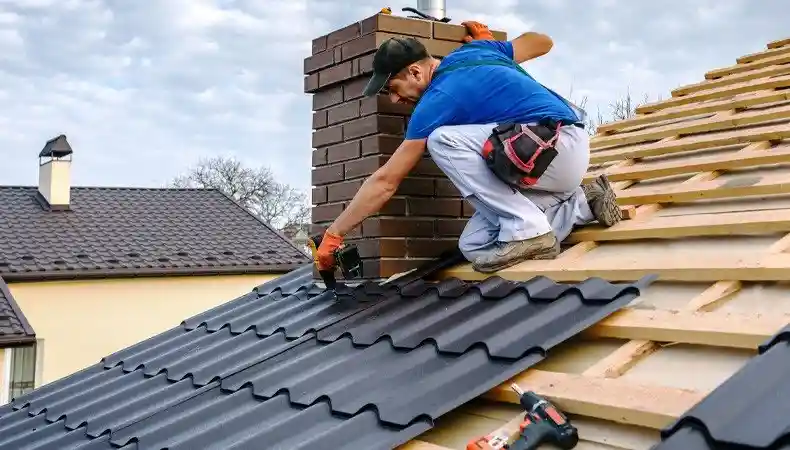
Most repair versus replacement decisions are actually decided by details that homeowners do not always think to ask about.
Deck condition: If the underlying deck is compromised, surface repairs won’t fully solve the problem. A trustworthy contractor should check for soft areas, moisture evidence, and any structural concerns before recommending a path forward.
Ventilation and moisture: Poor ventilation can trap heat and moisture, which speeds up aging and increases the chance of issues returning. If your attic is consistently hot or you notice signs of moisture, the long-term fix may require addressing airflow and balance, not only patching the surface.
Previous workmanship and layers: If prior work was done incorrectly or if there are multiple layers installed, water can travel in hidden ways. That can make “simple repairs” less reliable because the leak you see may not be the entry point where water is getting in.
Before you decide, insist on an inspection that produces evidence. A professional assessment should include photos of problem areas, a clear explanation of the root cause, and a written scope that states what the repair includes and what risks remain.
If replacement is being recommended, the contractor should also explain what happens if damaged wood is discovered after tear off and how that will be priced. Clear expectations prevent unpleasant surprises.
This is the level of clarity you should expect from Elite Roofing & Restoration or any contractor you would trust with major exterior work.
How do I know if a leak is truly localized? A localized issue usually traces to one clear entry point and has not shown up in multiple areas over time. If leaks are recurring or appearing in different rooms, the issue is more likely system-wide.
If the surface looks okay, could I still need replacement? Yes. Problems can start underneath due to trapped moisture, poor ventilation, or weakened decking. That is why attic checks and deck inspections matter, not only what you can see from the ground.
Can I repair now and replace later? Yes, especially if the issue is isolated and you need time to plan and budget. The important thing is understanding whether the repair is a lasting fix or simply buying time.
What is the biggest red flag I should not ignore? Sagging lines, soft spots, or repeated leaks are major warning signs. They often indicate deeper deterioration that repairs may not fully solve.
How long does replacement usually take? Many residential projects are completed within a few days, but timelines vary based on size, complexity, weather, and whether decking repairs are needed. A professional contractor should set expectations clearly before work begins.
What should I compare when I get multiple quotes? Compare scope and quality details, not just price. Look at materials included, ventilation approach, flashing work, cleanup standards, and warranty coverage.